



















































Promotions: Discover all of the latest promotions & offers including cashback. Find out more.

Promotions: Discover all of the latest promotions & offers including cashback. Find out more.

Measurement guides

Fridge Sizes and Measurement Guide

Curious about which is the best size fridge for a family of 4, or wondering whether your perfect integrated fridge will fit in your new kitchen? Fear not; our size and measurement guide talks you through everything you need to know to choose the perfect size fridge for your home.

What Is a Standard Size Fridge?

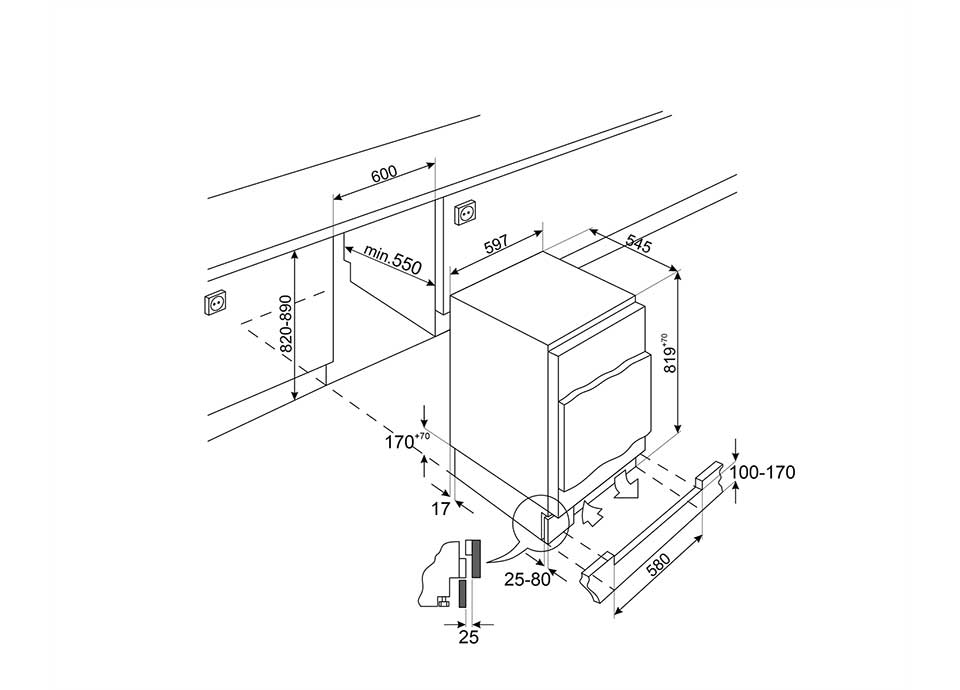
Integrated fridges do follow a largely standardised sizing system, with widths and depths designed to align with typical kitchen units (most commonly 60cm wide). Under-counter integrated models also share a consistent height – typically falling between 82 cm and 87 cm. This standardisation allows integrated appliances to slot neatly behind cabinet doors with minimal adjustment.

Outside of integrated models, fridge sizes can vary significantly depending on the appliance style, internal capacity, and installation method, which is why freestanding fridges and American-style fridges are available in a much broader range of dimensions.
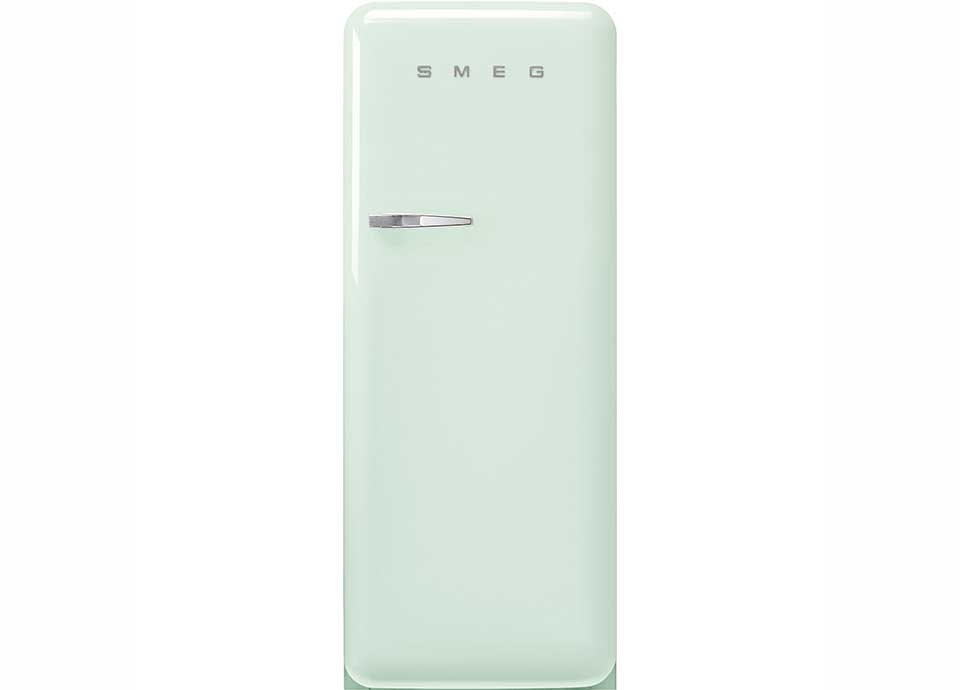
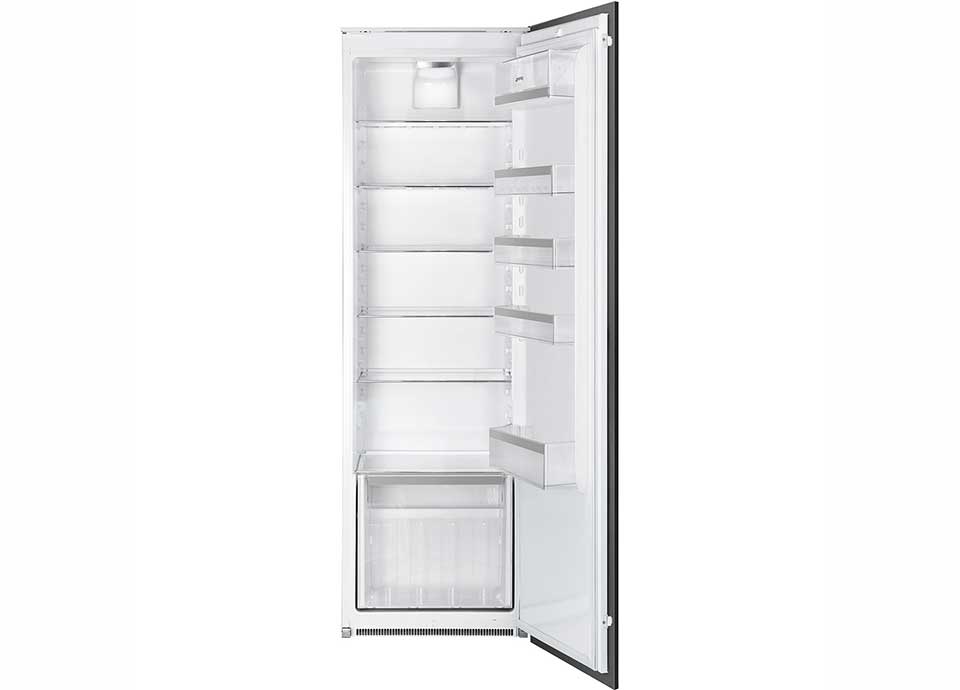
What Are the Main Types of Refrigerators?

The amount of space you have available may influence your choice of fridge style. Take a look at some of the most common styles below:
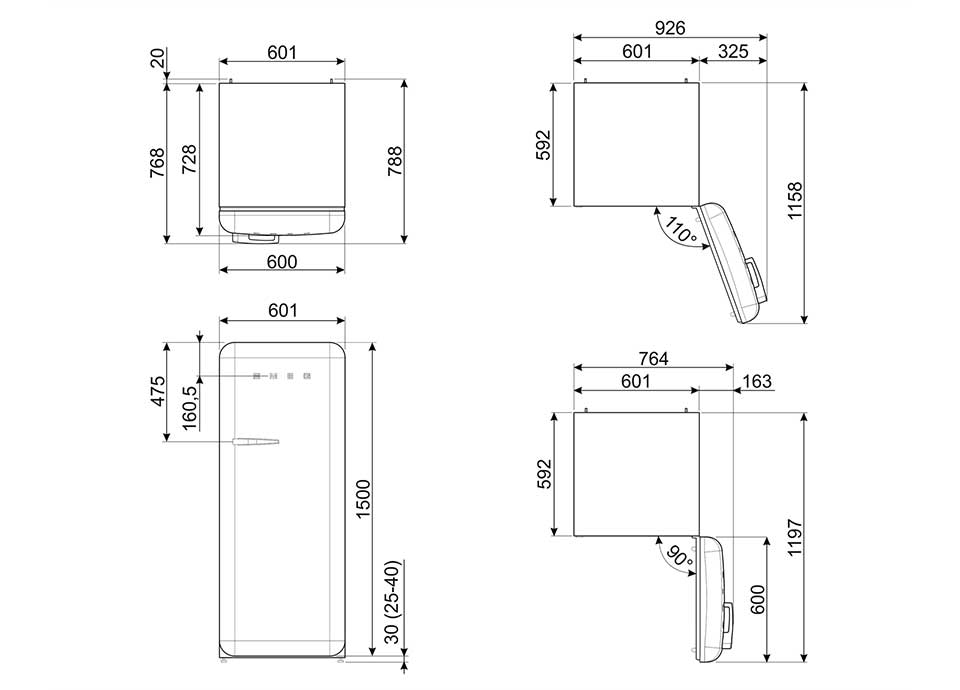
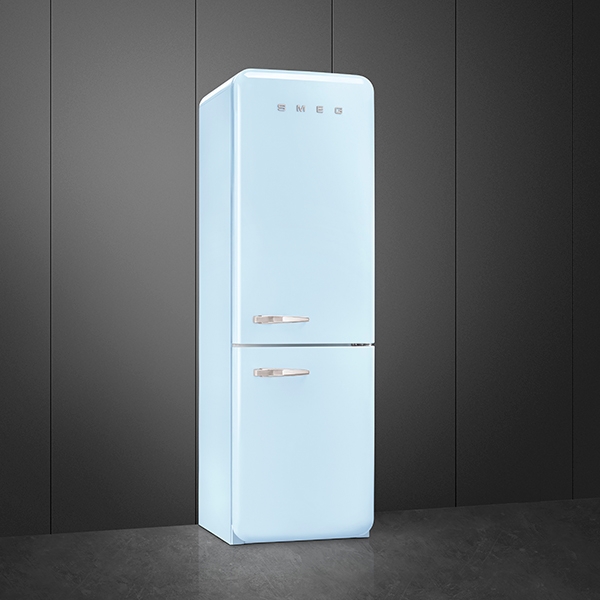
Freestanding Fridges

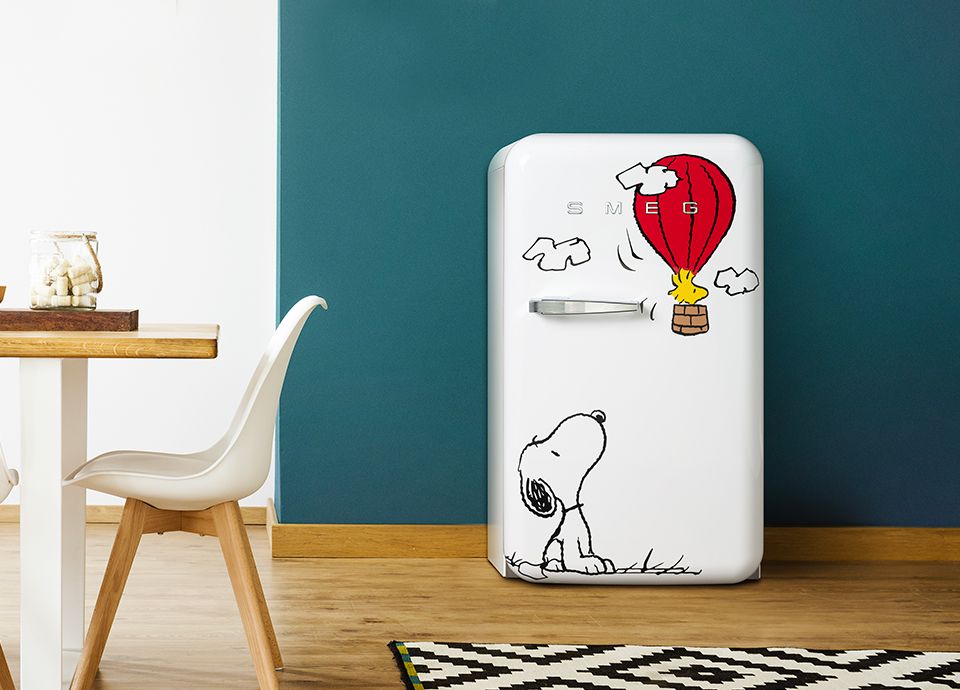
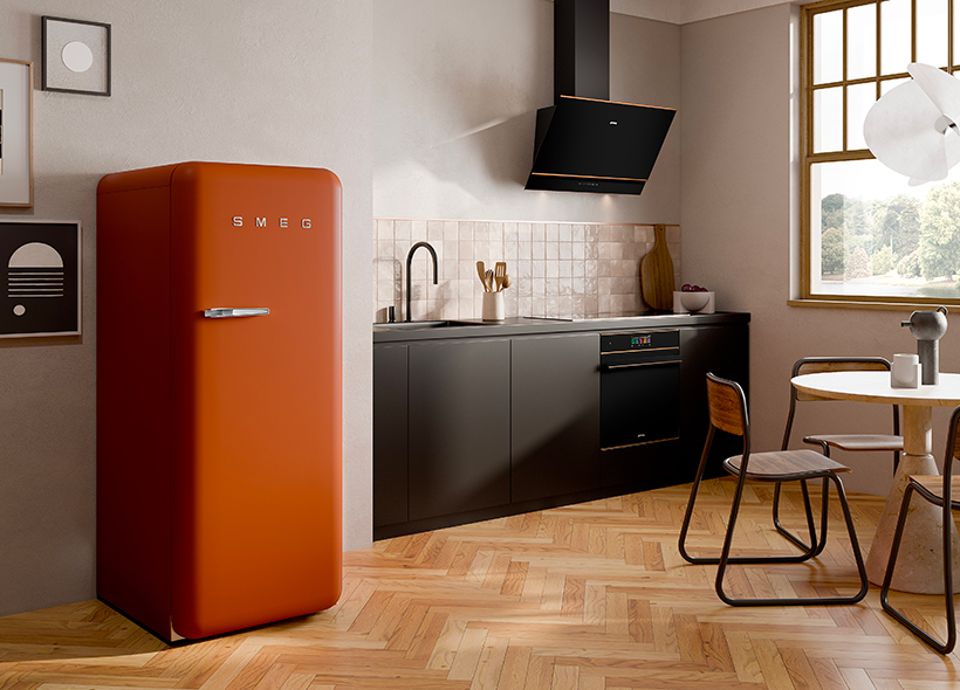
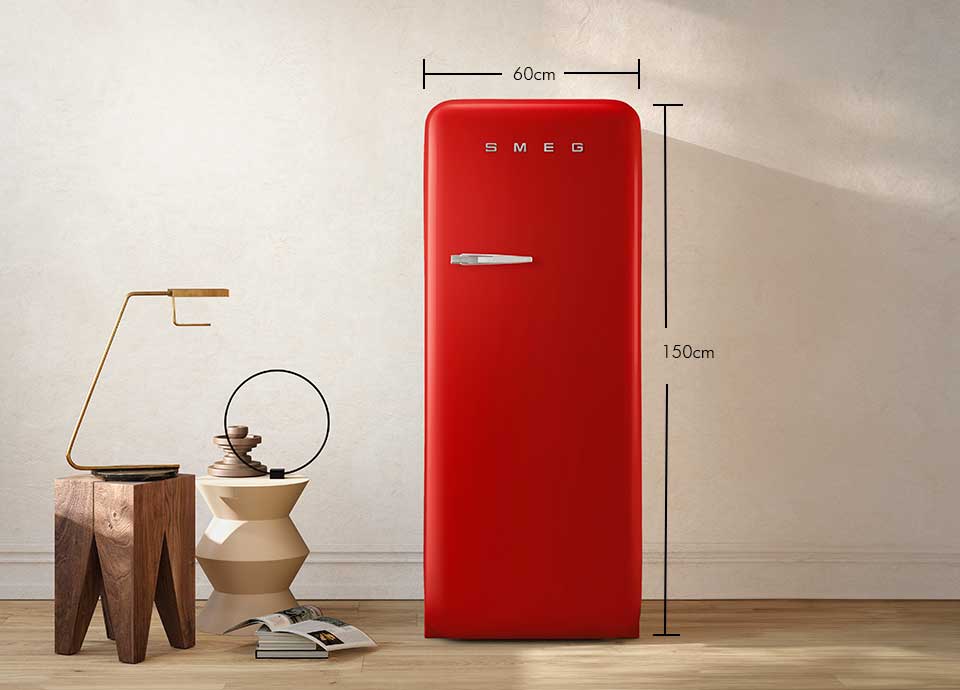
Freestanding fridges tend to have a width of 60cm and a depth of 65cm but some models or manufacturers may vary from this. Our retro fridges often have a depth of nearer 75cm. Height is one aspect which can vary significantly depending on the desired capacity.

View all freestanding fridges
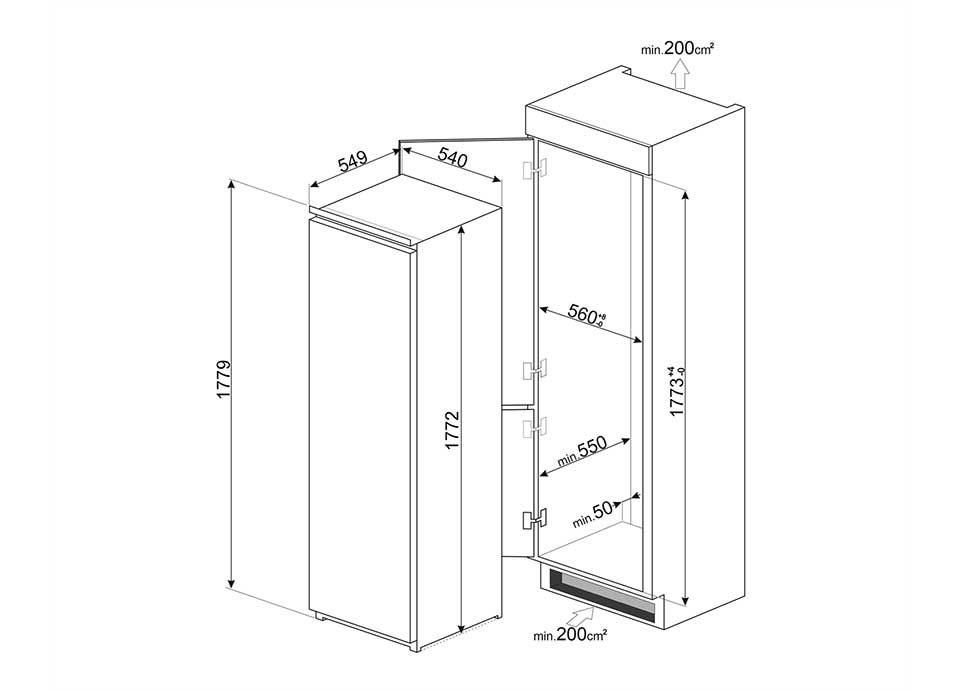
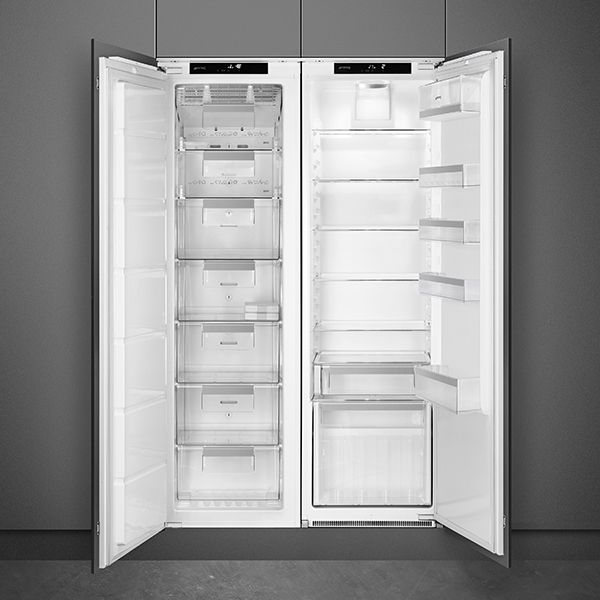
Integrated Fridges

Integrated fridges tend to have a width of 55-60cm, a height of around 130-200cm and a depth of 55cm.

It's important that you measure carefully for fitting an integrated fridge.

View all Integrated fridges
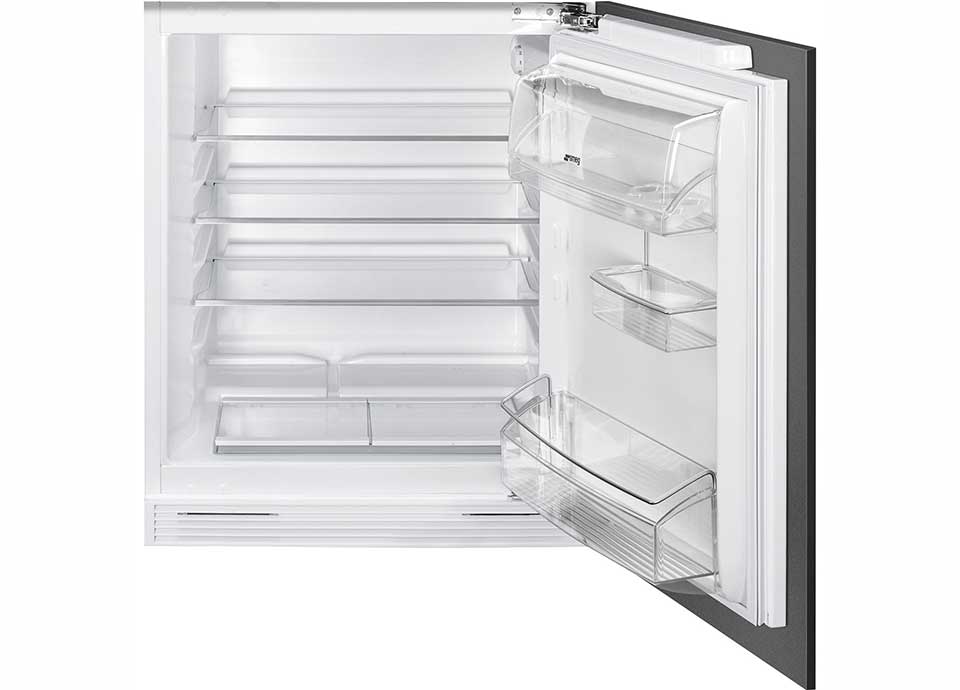
Undercounter Fridges

Under-counter fridges tend to have a width of 60cm, a height of around 90cm and a depth of 65cm.

Under-counter fridges are perfect for when you just have limited space or just need a small amount of fridge space.

View all undercounter fridges
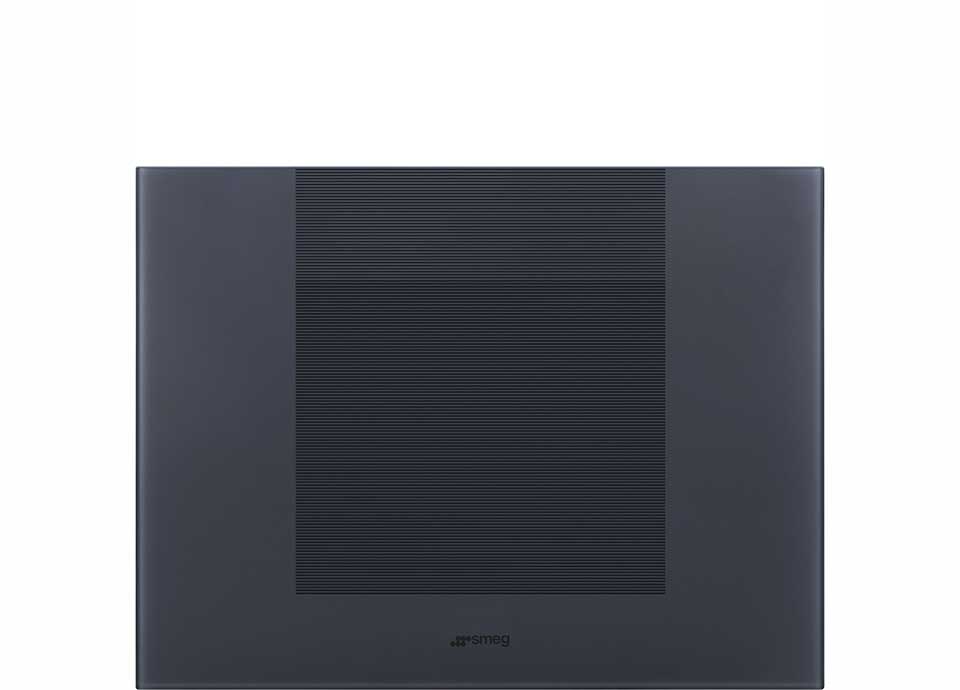
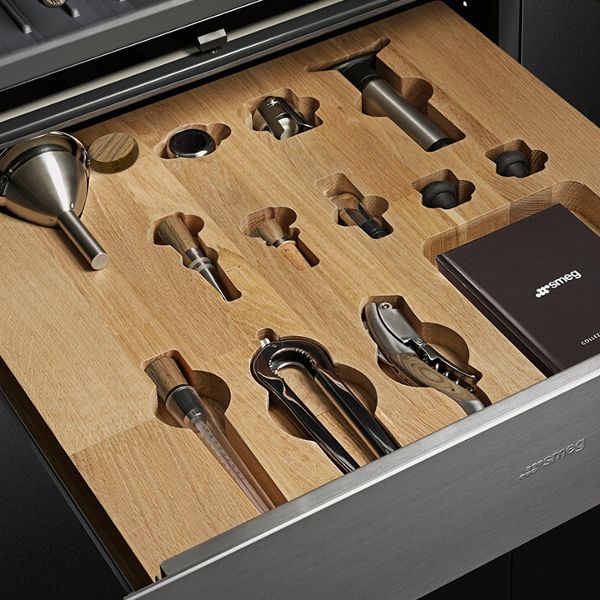
Wine Coolers

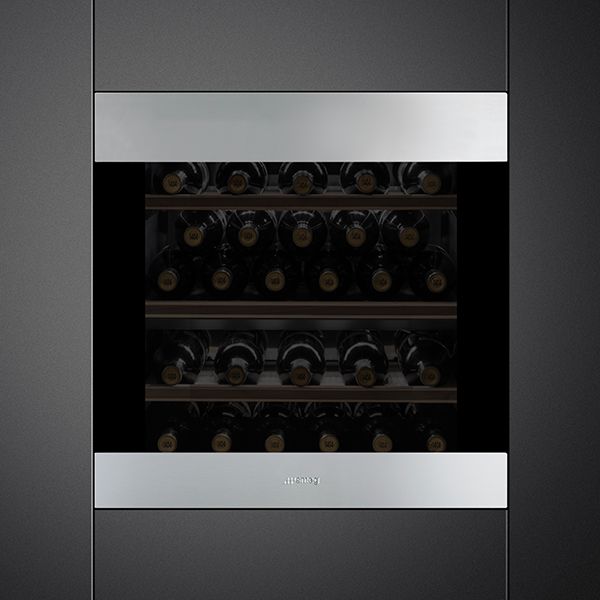
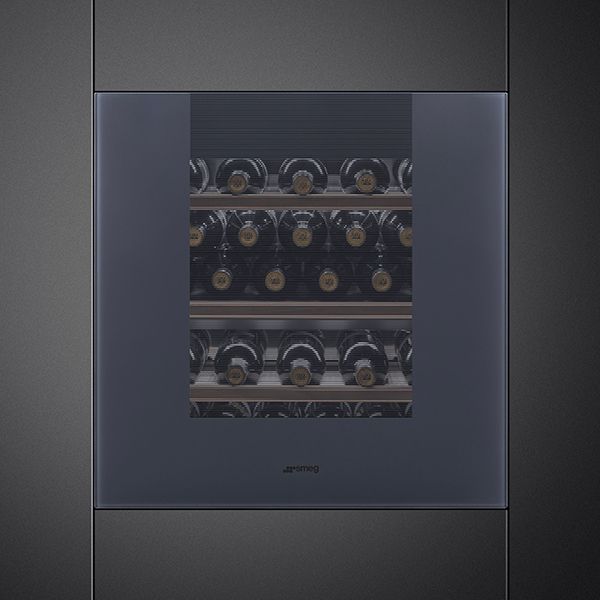
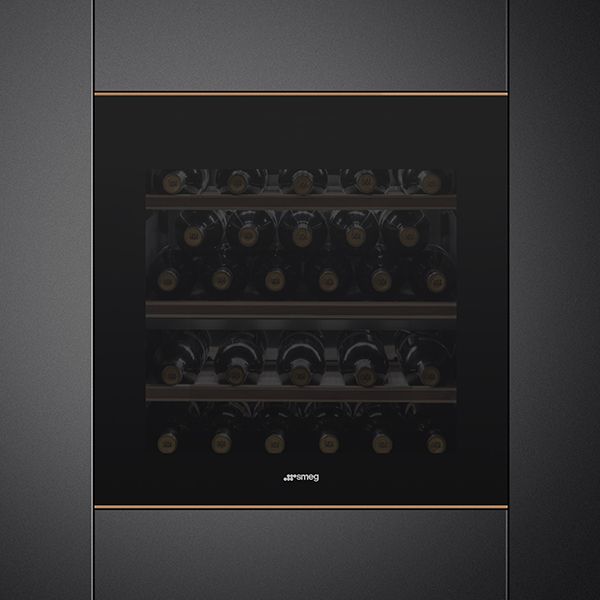
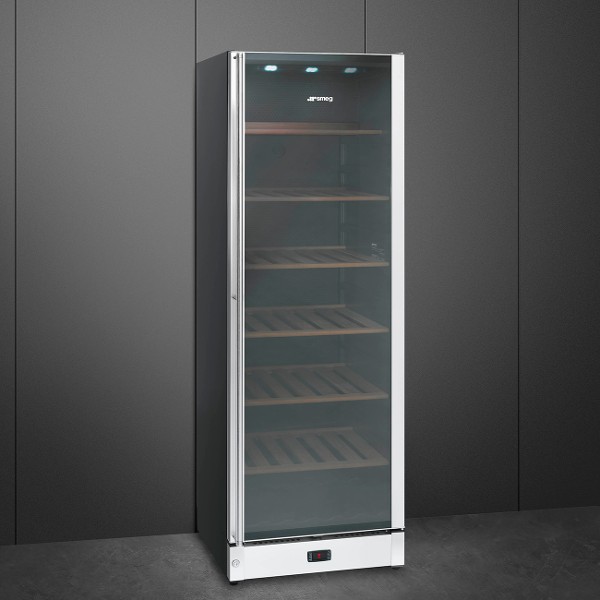
Wine cooler fridges tend to have a width of 55-60cm, a height of around 45-50cm and a depth of 55-60cm.

Typically installed within kitchen column units, these provide a touch of luxury for any kitchen.

View all wine coolers

Tight For Space?

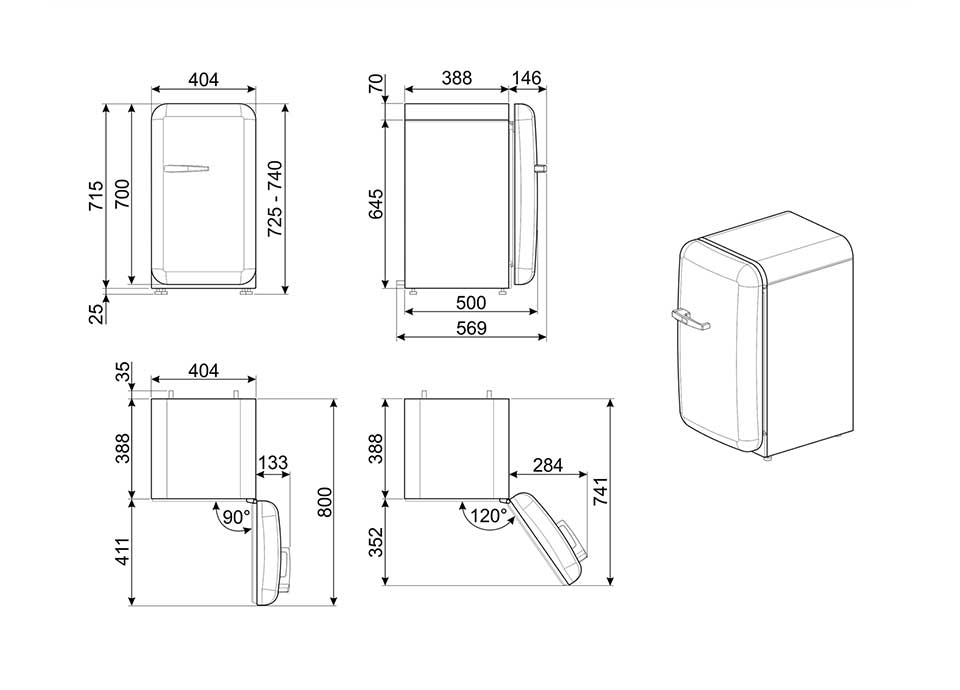
Compact fridges are an ideal solution for those who are tight on space in their kitchen, such as Smeg’s freestanding 50s style “FAB5RCR6” fridge. This fridge, alongside others in its category, measures just 40cm wide, 70cm high and 50cm in depth. When positioning these appliances adjacent to a wall or kitchen unit a gap of 17.5cm must be left on the hinged side of the product to allow the door to open.

Choosing the Best Fridge Capacity for Your Household

Make picking a fridge simple by basing your choice on your family size and lifestyle. Start with how many people live in your house, then adjust for shopping habits, cooking style, and whether you need extra freezer space. 

The table below gives quick, practical guidance to help you get started:


Household Size

Recommended Fridge Capacity

Approx. Shopping Bags*

Additional Notes

1 to 2 people 100 to 200 L 5 to 10 Ideal for singles or couples who shop a few times a week. Consider under-counter or slimline models. (e.g. UKU8L080DE)
3 to 4 people 200 to 300 L 10 to 15 Best for small families or those who do a weekly shop. Look for taller 60cm-wide freestanding or integrated models. (e.g. FAB28)
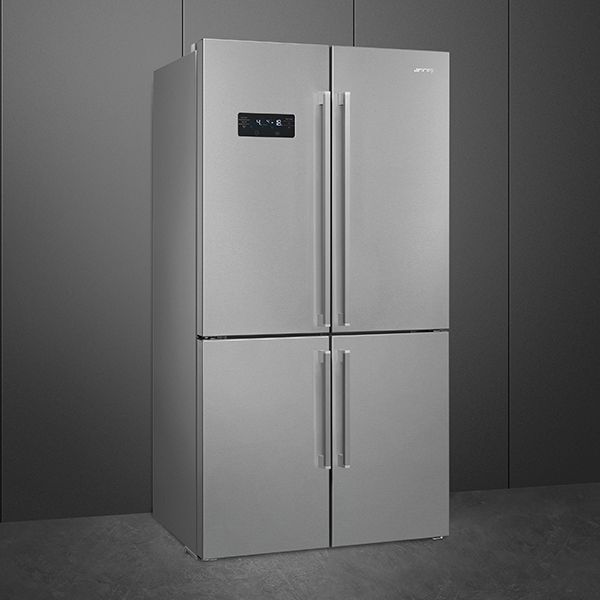
5 to 6+ people 300 L+ 15+ For large families, regular entertainers, or bulk shoppers, choose large freestanding or American-style fridges. (e.g. UKFS18EV2HX)
 

*Approximate number of standard supermarket/reusable bags – bag size and packing style will affect the exact count.

Useful to Know – Storing Goods In Your Fridge

For your fridge to perform efficiently, air needs to circulate freely around the interior. Overfilling shelves or blocking air vents can restrict airflow, leading to reduced food freshness and higher energy use. Try to leave small gaps between items, avoid packing food tightly against the back panel, and keep ventilation points clear so cold air can move evenly throughout the fridge.

Good organisation also helps maximise usable space and maintain consistent temperatures. If you regularly struggle to fit a weekly shop without crowding, this is often a clear sign that a larger-capacity fridge would better suit your household!

How to Measure a Fridge - Step-By-Step

Accurately measuring for a new fridge is a key step in choosing the right model for your home. Taking precise measurements ensures the appliance fits comfortably within the available space and allows for proper ventilation – helping you make the most of every centimetre of your kitchen.

Step 1: Measure the Overall Height

  • For freestanding fridges, measure from the floor to the highest point of the appliance. If you are replacing an existing fridge like-for-like, measure the height of the current unit. If not, measure the maximum available height in the space.

  • For integrated fridges, measure the internal height of the cut-out from the base to the top of the housing where the appliance will be installed. 

  • Top Tip: Many fridges have adjustable feet. Check whether your new appliance includes them, as they can allow minor height adjustments and help achieve a flush fit.

Step 2: Measure the Overall Width

  • Measure the full width from one side of the fridge to the other to ensure it fits comfortably within the available space.

  • Include any hinges, trims, or protruding components that may affect clearance, especially when opening the door.

  • If the fridge has adjustable feet, ensure the width is measured at the widest point once levelled.

Step 3: Measure the Overall Depth

  • Measure from the back of the appliance to the front of the doors, not just the cabinet body.

  • Include any rear protrusions, such as condenser elements or connections, as some models extend beyond the side panels.

  • Allow enough clearance so the fridge does not protrude too far into the room or restrict airflow, which is essential for efficient cooling.

  • Important Tip: Freestanding fridges often include rear handles, while integrated models typically have spacers or bumpers to protect electrical and water connections – make sure these are factored into your depth measurement.

Step 4: Check Door Swing Clearance

  • Open the fridge door fully and measure the space required for safe, unrestricted access.

  • Consider nearby walls, cabinets, or appliances that could obstruct the door.

  • For models with reversible doors or side-by-side configurations, ensure there is enough room for doors to open wide enough for easy loading and unloading.

Top Tips When Planning for a New Refrigerator

Consider Protecting Your Flooring

If you have expensive tiled, vinyl, laminate or hardwood flooring, you will want to consider protecting them from any damage. Place floor protectors under the fridge’s feet, lay down protective coverings along the installation route, and avoid dragging the fridge – lift and carry instead.

Plan Your Route

Consider your access points for bringing the fridge into your home, assessing doorways, hallways, staircases and tight corners. Check that the flooring is stable on your route, as well as where you are placing the fridge.

Avoid Heat Sources

Don’t place the fridge next to ovens, dishwashers, or in direct sunlight – heat raises energy use and can shorten the compressor’s life.

Verify Power & Plumbing Requirements

Make sure there’s a nearby grounded socket (and ideally on its own circuit) and that any water/ice connections are compatible and accessible – check hose length and shut-offs in advance.

FAQs

Need help?

Did you know that Smeg has a dedicated support website which is full of useful information about our products, including how to register your warranty?

Read our FAQ's

Found this helpful? View our other buyers guides

Our comprehensive fridge freezer buyers guide covers everything you need to know to help you choose the best fridge freezer for your home.

View the refrigeration buying guide