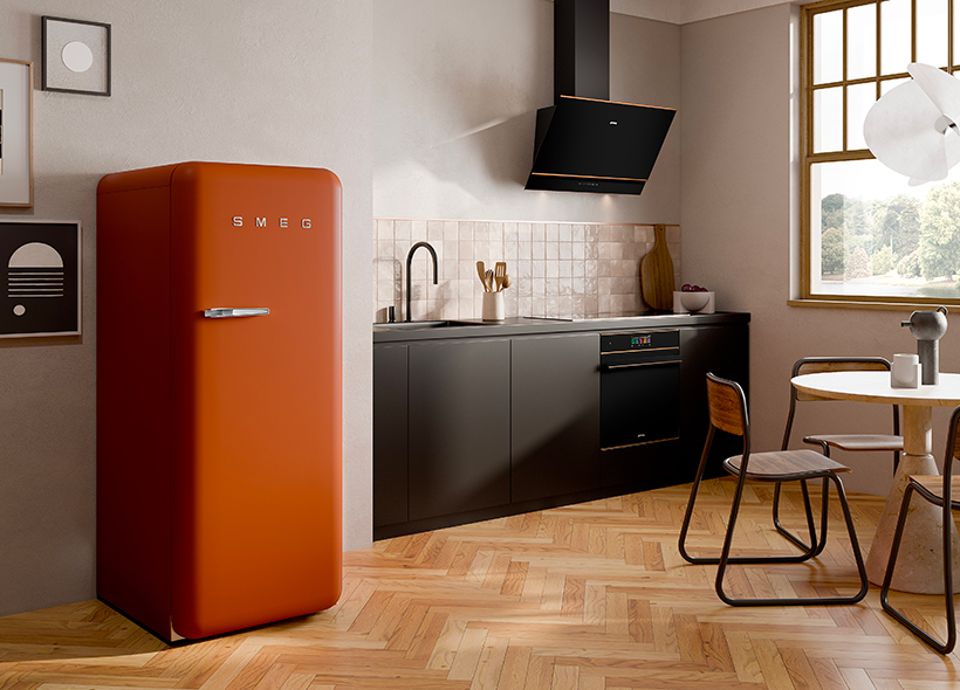
Planning for a tighter kitchen space doesn’t need to be complicated – here are some useful tips to help you plan more effectively:
1. Plan Service Routes
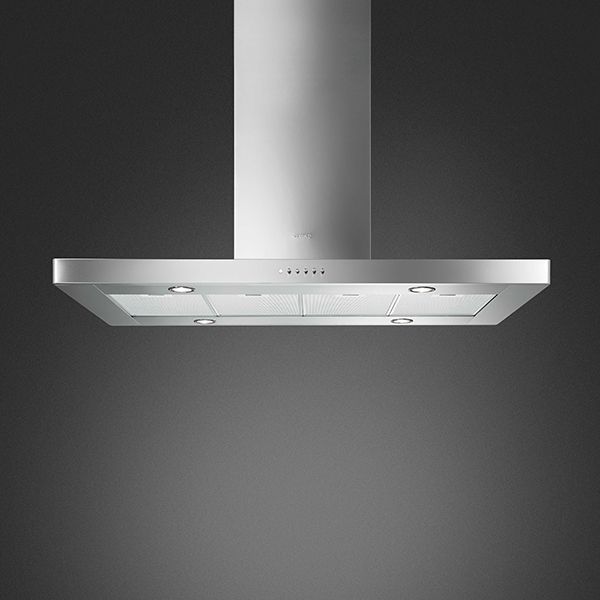
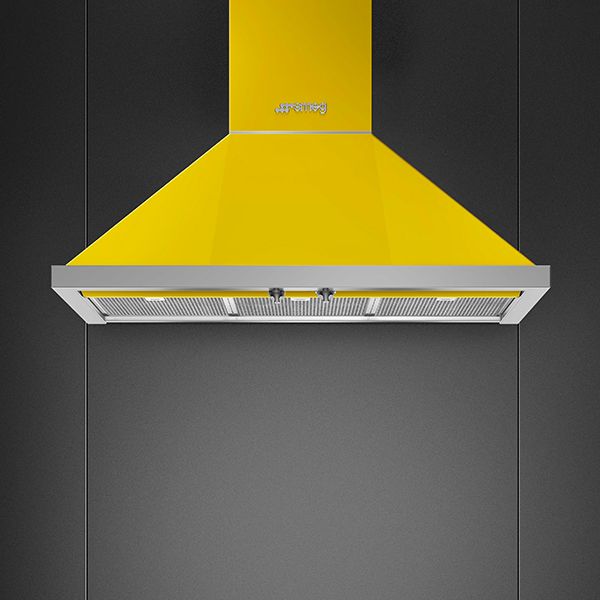
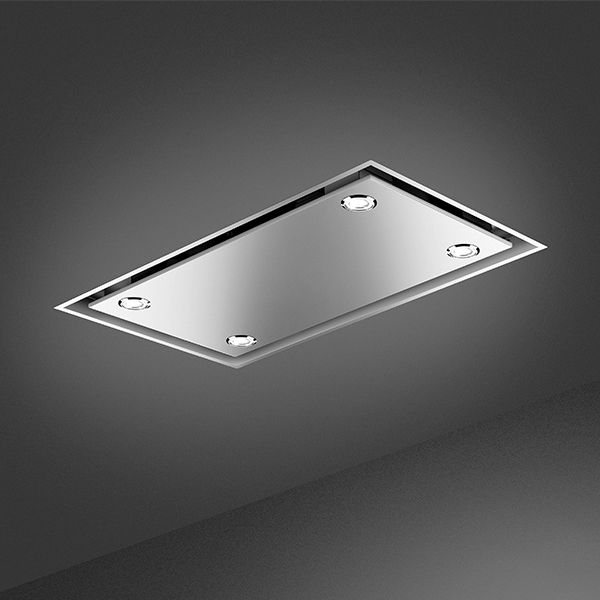
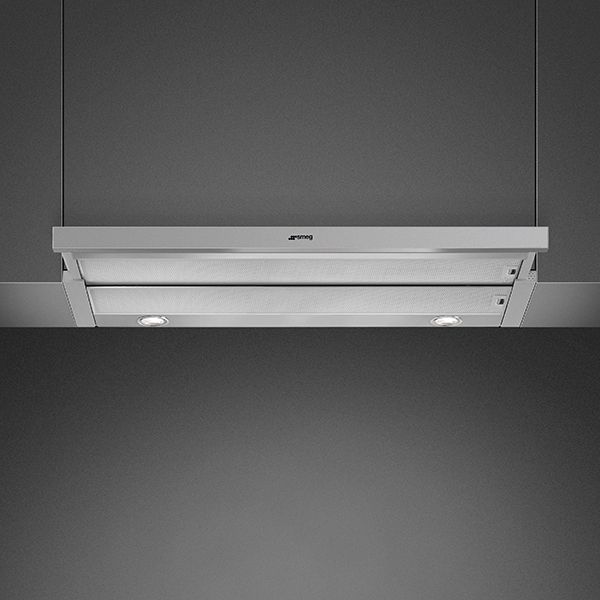
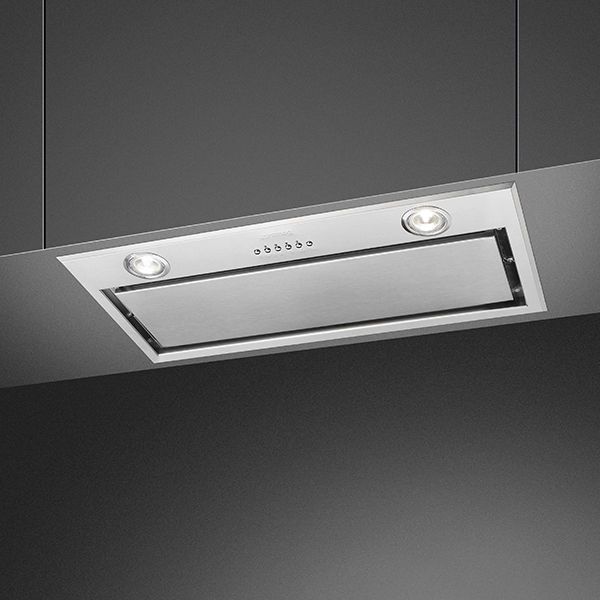
Map where water inlets, drains, waste pipes, gas, and electrical feeds sit – and where they can be moved. For example, make sure to decide early whether your cooker hood will be ducted or recirculating, or where a dryer will vent.
2. Measure Twice
Measure width × depth × height, then add clearance allowances for door swings, appliance access, ventilation gaps, and service access for engineers. Note down appliance cut-out sizes and leave enough room for installers to fit any applicable appliances.
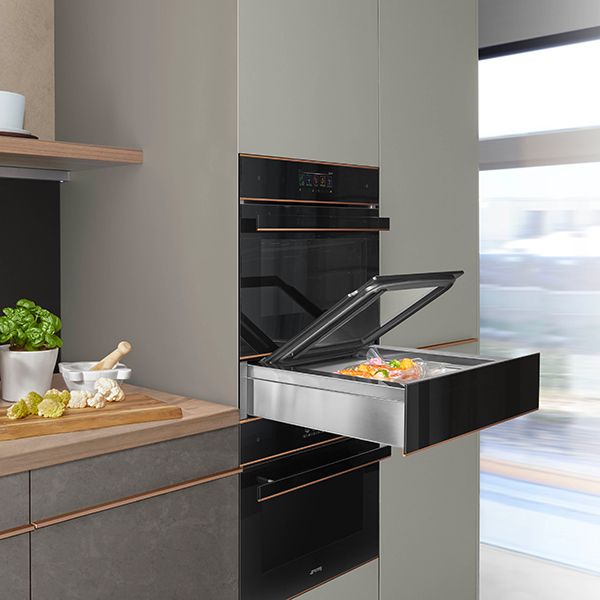
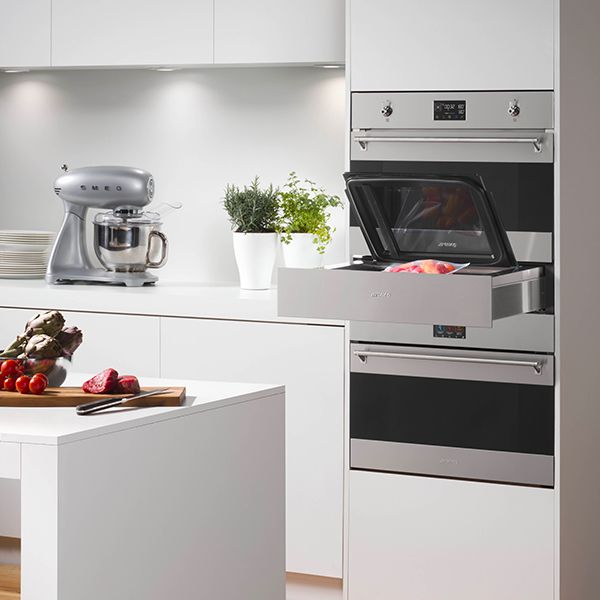
3. Think Vertically
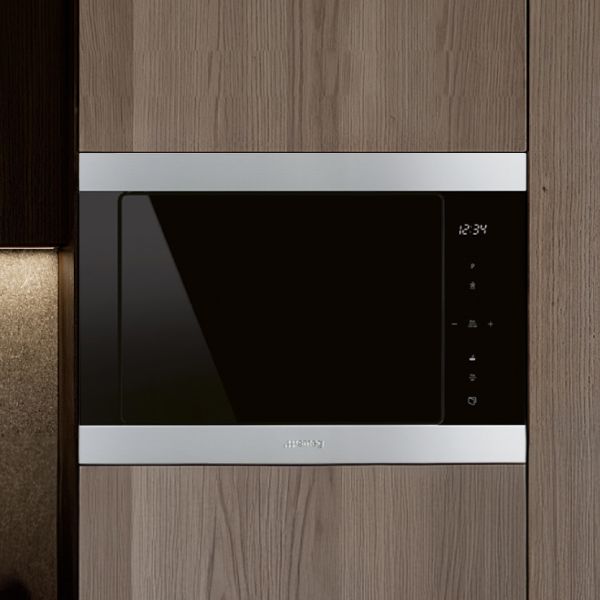
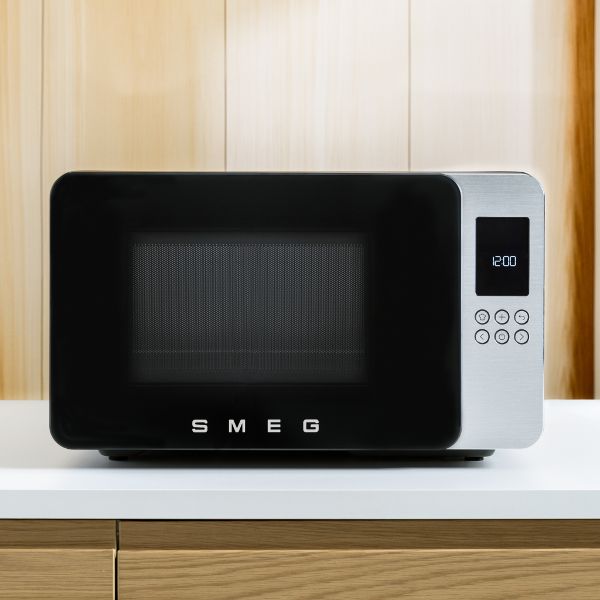
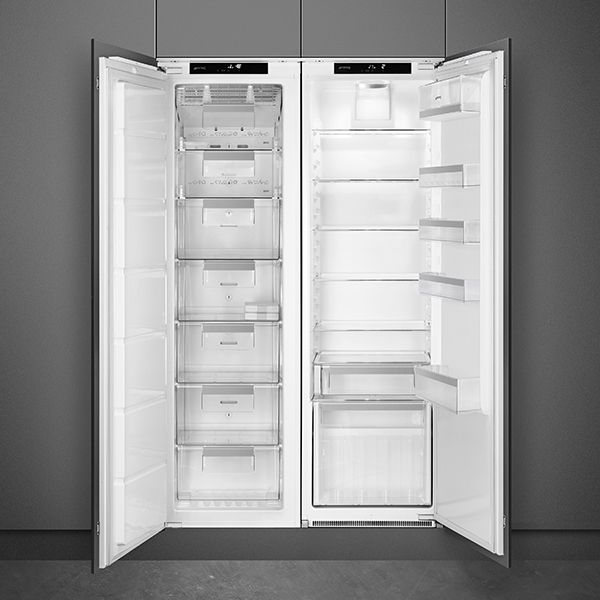
When floor space is limited, build upwards. Use tall cabinets, integrated microwave shelves, overhead storage, and vertical pantries. Wall-mounted rails and tall fridges/freezers can reclaim valuable worktop space.
4. Prioritise Function
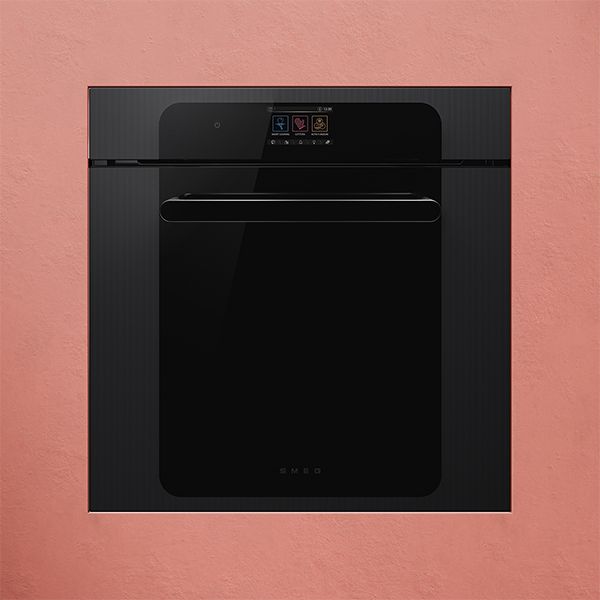
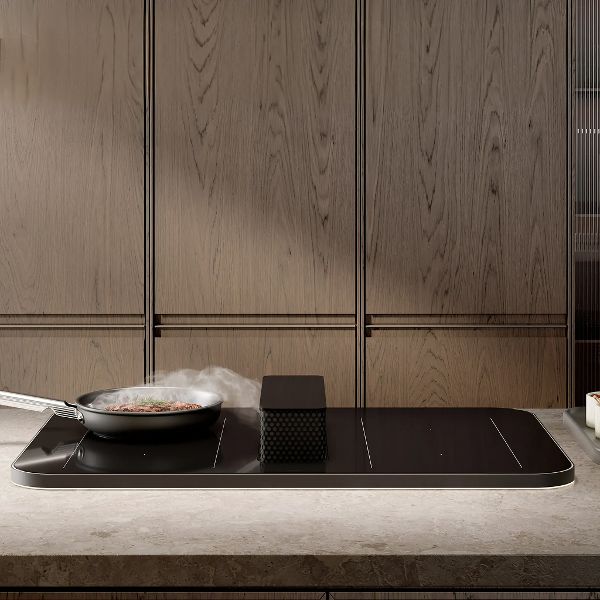
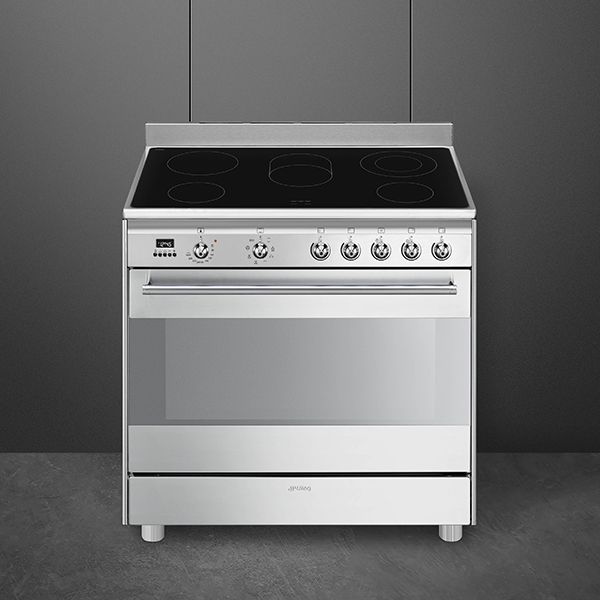
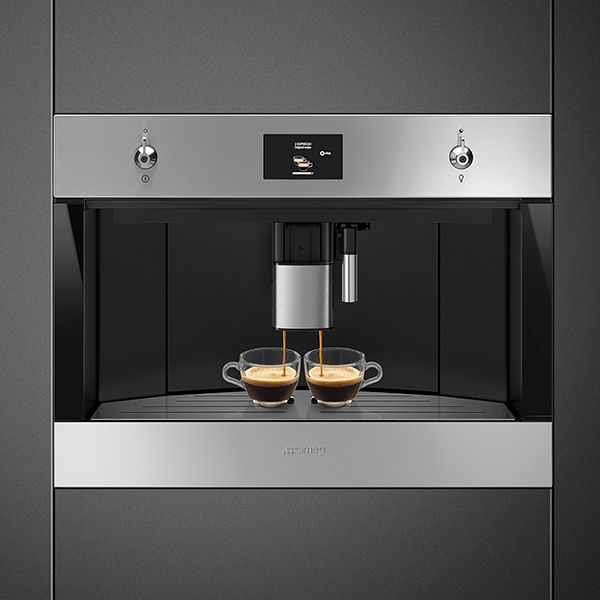
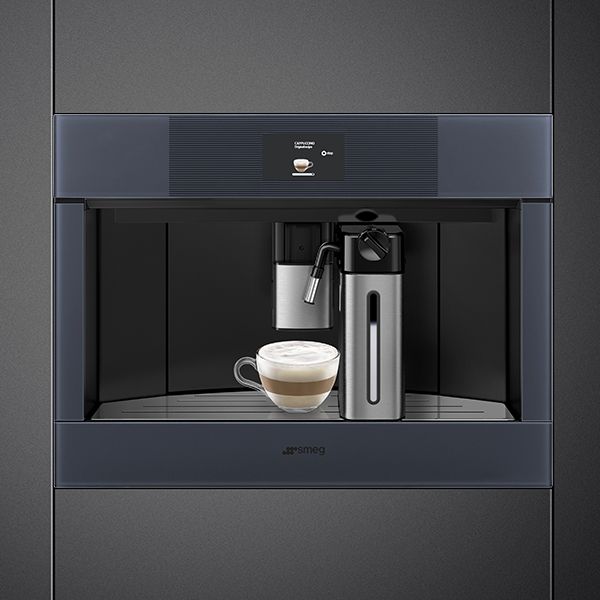
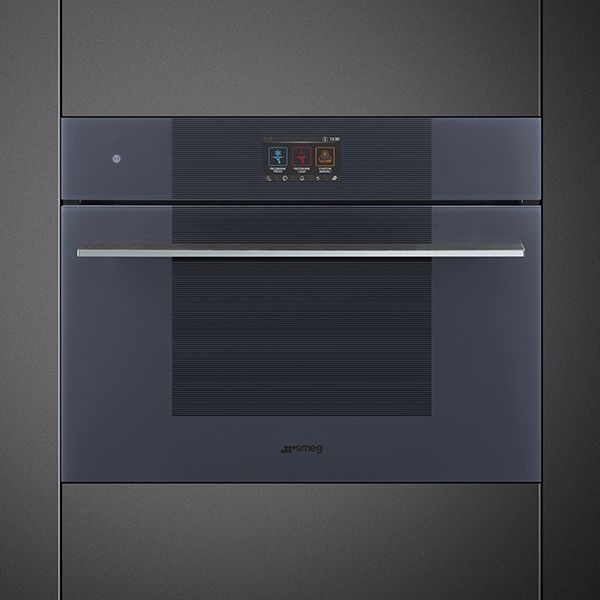
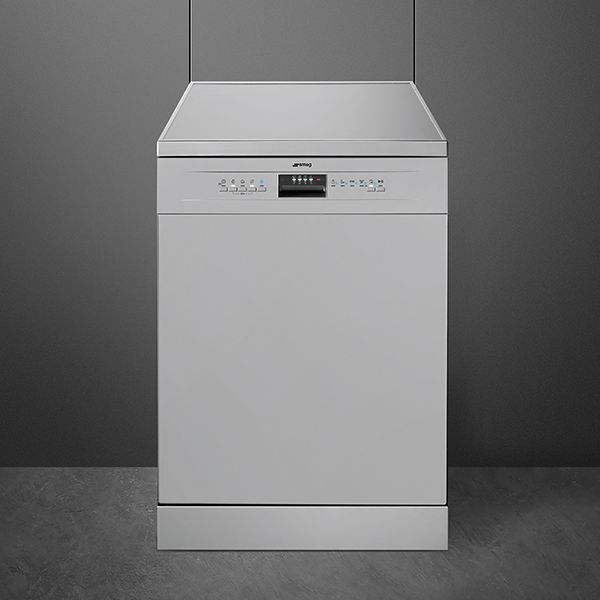
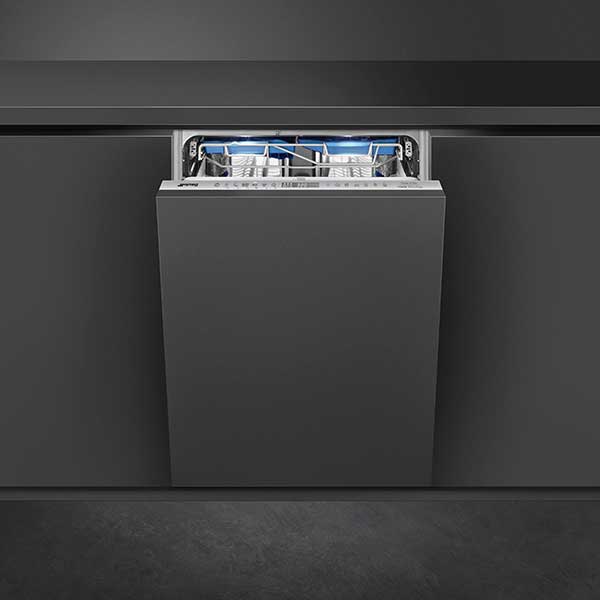
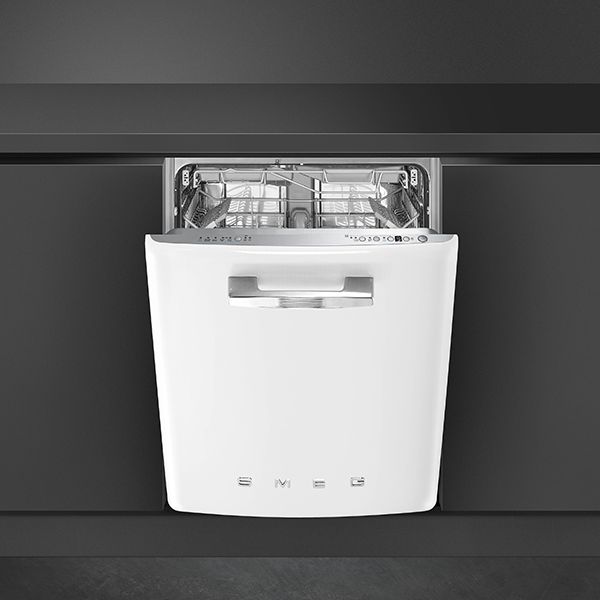
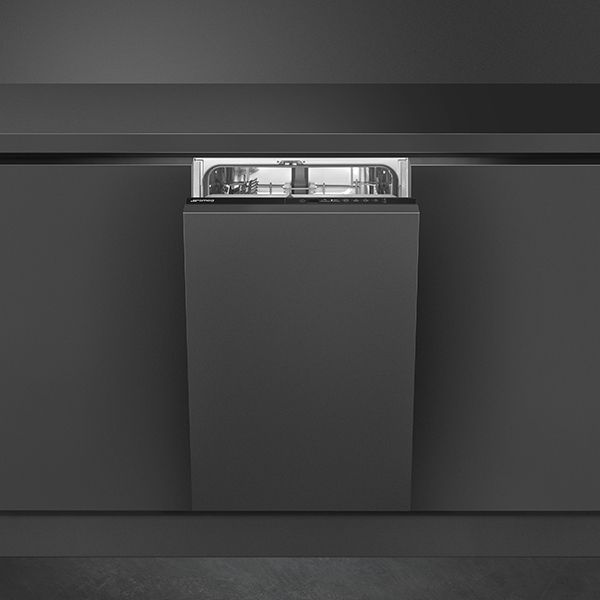
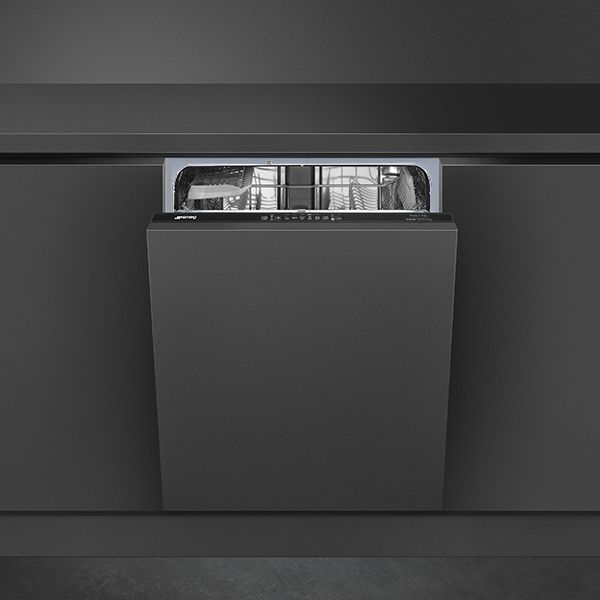
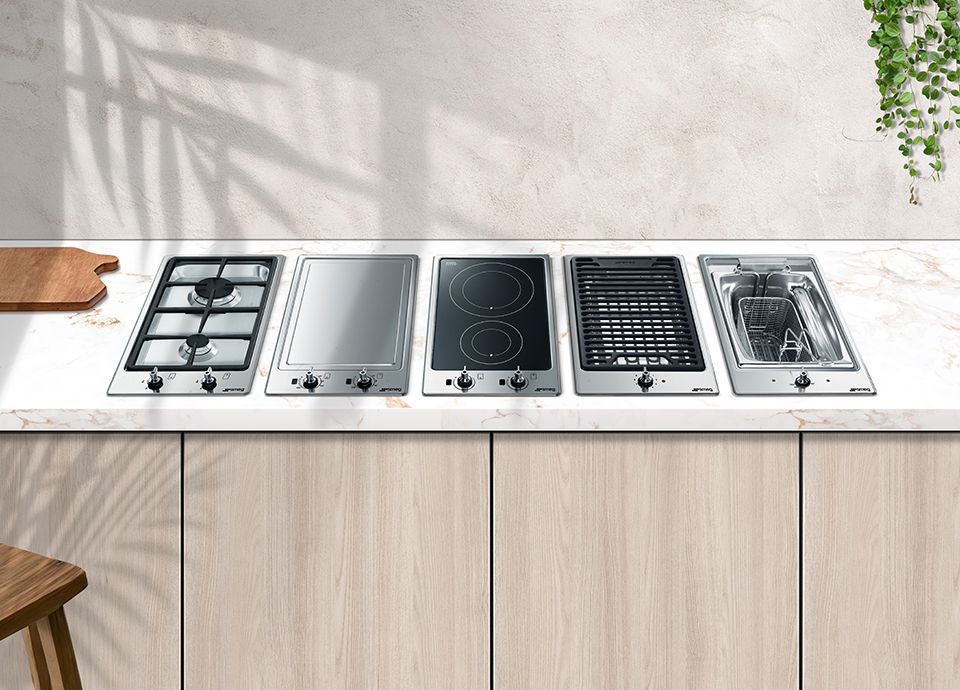
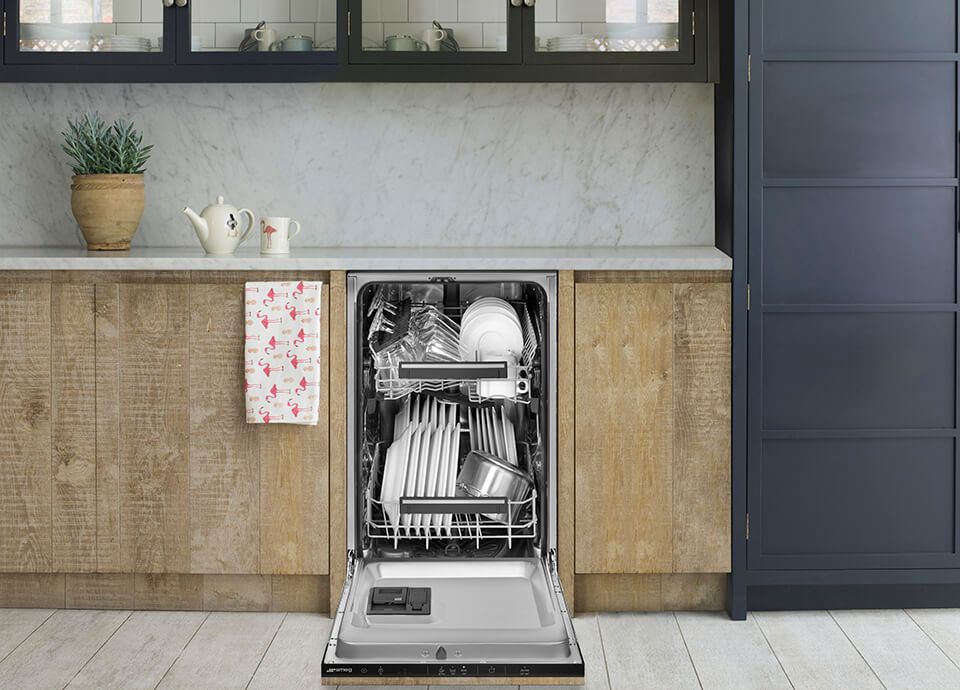
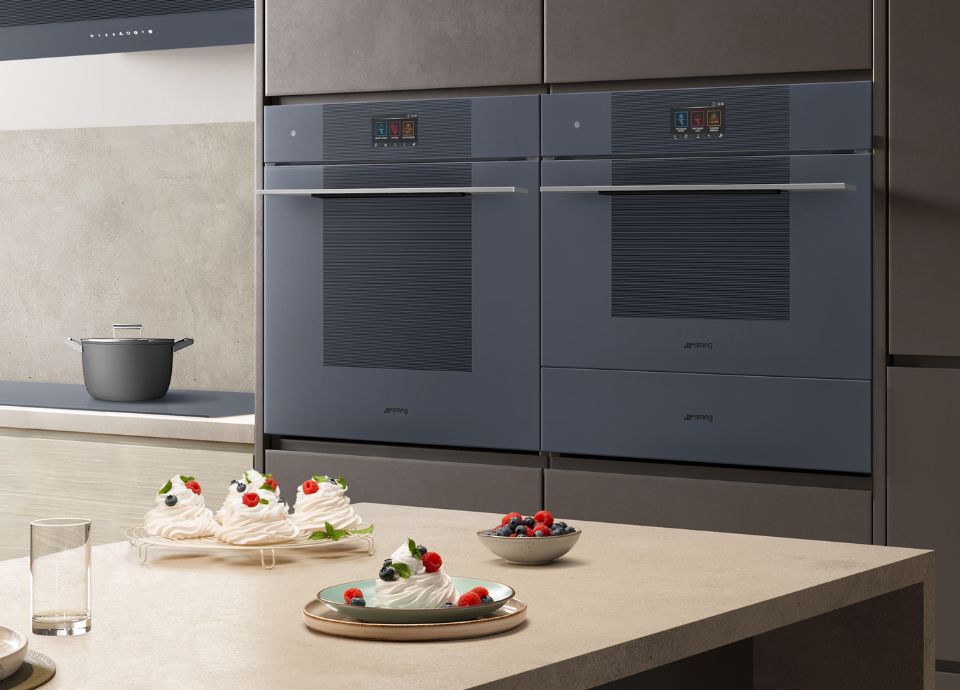
Decide on the “must-haves” for your kitchen, such as a full oven vs mini oven + microwave, or 60cm hob vs two-zone induction. Choose compact alternatives where they keep the features you need – a 45cm dishwasher still handles daily loads for one or two people, and a mini oven can still roast for guests!
Chcecklist for Compact Kitchens
 Measure space (W × D × H) and note obstructions.
Mark door swings and appliance clearances
Record water, drain, gas, and electrical points
Choose a ducted or recirculating hood
Decide essential appliances and compact alternatives
Plan vertical storage and microwave shelf
Check noise (dB) and energy ratings
Confirm installer access and landlord permissions
Re-measure cut-outs before ordering
Save Smeg product dimensions & installation guides